 (Image via
Social media feeds are currently overflowing with bold new aesthetics that define the look of 2025. This year marks a dramatic shift away from the minimalist "clean girl" aesthetic that dominated previous seasons. Fashion enthusiasts are embracing chaos, texture, and a futuristic blend of nostalgia and innovation. Platforms like TikTok and Instagram serve as the primary runways where these trends are born and popularized, often bypassing traditional fashion weeks entirely. Users are championing individuality and sustainability, resulting in a landscape that feels both experimental and conscientious. This article explores the defining trends of the year, from the resurgence of maximalist layering to the integration of wearable technology. We will break down the specific styles, fabrics, and cultural movements shaping how we dress right now.
The Return of "Chaos Dressing" and Maximalism
Minimalism has officially taken a backseat to a trend often described online as "chaos dressing." This style rejects the idea of a cohesive, perfectly curated outfit in favor of eclectic, clashing combinations. It is a direct response to the pressure of perfectionism. People are mixing patterns, textures, and eras with a sense of playful abandon. The goal is to look interesting rather than polished.
Layering is the key technique driving this trend. You will see skirts worn over trousers, multiple belts stacked on top of each other, and sheer tops layered under heavy knits. This approach allows for endless remixing of a wardrobe, making it a favorite among eco-conscious consumers who want to shop their own closets. It signals a move toward personal expression where the rules of matching no longer apply.
Texture Overload: Fur, Feathers, and Faux
Tactility is a massive component of 2025 fashion. Consumers are craving clothes that feel as interesting as they look. Faux fur and feathers are appearing on everything from cuffs and collars to entire coats and bags. This trend, often tagged as "fluff-core," adds a sense of luxury and whimsy to everyday outfits.
Digital screens cannot convey touch, but high-texture items pop visually in videos and photos, making them perfect for social media. Designers are using exaggerated textures to create silhouettes that demand attention. You might see a simple pair of jeans paired with a voluminous feathered top or a fuzzy bucket hat. It is about adding a sensory dimension to style. Synthetic innovations have made these textures more sustainable and accessible, moving away from animal products while keeping the drama.
The "Grandpa Core" Evolution
"Grandpa Core" started as a niche appreciation for comfortable, vintage menswear but has evolved into a mainstream staple. This look prioritizes durability, comfort, and a retro aesthetic. Key items include oversized cardigans, loafers, tweed blazers, and corduroy pants. It is the antithesis of fast fashion, focusing on pieces that look like they have lasted for decades.
Younger generations are raiding thrift stores to find authentic vintage pieces to achieve this look. The color palette is earthy and muted—think browns, moss greens, and deep navies. This trend represents a desire for stability and comfort in a chaotic world. It creates a sense of warmth and reliability, contrasting sharply with the sleek, futuristic styles also gaining traction.
Cyber-Y2K and the Futuristic Nostalgia
Nostalgia for the early 2000s (Y2K) has morphed into something new for 2025, blending retro elements with futuristic designs. This "Cyber-Y2K" aesthetic combines the low-rise jeans and baby tees of the past with metallic fabrics, LED accessories, and digital-inspired prints. It looks like what people in 1999 thought 2025 would look like.
Silver and chrome are the dominant colors in this trend. Metallic pants, silver handbags, and reflective sunglasses are ubiquitous on social media feeds. These items reflect light and catch the eye, making them ideal for short-form video content. The silhouette is often body-conscious but paired with oversized, utilitarian outerwear.
Digital Fashion and Wearable Tech
Technology is physically merging with clothing more than ever before. Smart fabrics that change color based on temperature or movement are starting to appear in influencer hauls. Accessories often incorporate tech elements, such as bags with built-in screens or jewelry that tracks health metrics without looking like a medical device.
Virtual fashion is also influencing physical style. People are dressing to look like video game characters or digital avatars. This "NPC" (Non-Player Character) aesthetic involves smooth, almost plastic-looking fabrics and exaggerated proportions. It blurs the line between the online world and reality. Filters that allow users to "try on" digital clothes are driving demand for physical versions of these hyper-real designs.
Utility and Survivalist Chic
Global uncertainty has fueled a trend focused on preparedness and utility. "Survivalist Chic" involves clothing that looks protective and functional. Cargo pants with excessive pockets remain popular, but the look has expanded to include technical jackets, heavy boots, and accessories that resemble climbing gear or tactical equipment.
Fabrics in this trend are durable and weather-resistant. Gore-Tex, ripstop nylon, and neoprene are common. The aesthetic suggests that the wearer is ready for anything, from a hike to an apocalypse. It is fashion as armor. While practical, it is stylized for the city streets rather than the wilderness. Straps, buckles, and zippers are used decoratively to add edge and complexity to the silhouette.
The Coquette Aesthetic Meets Goth
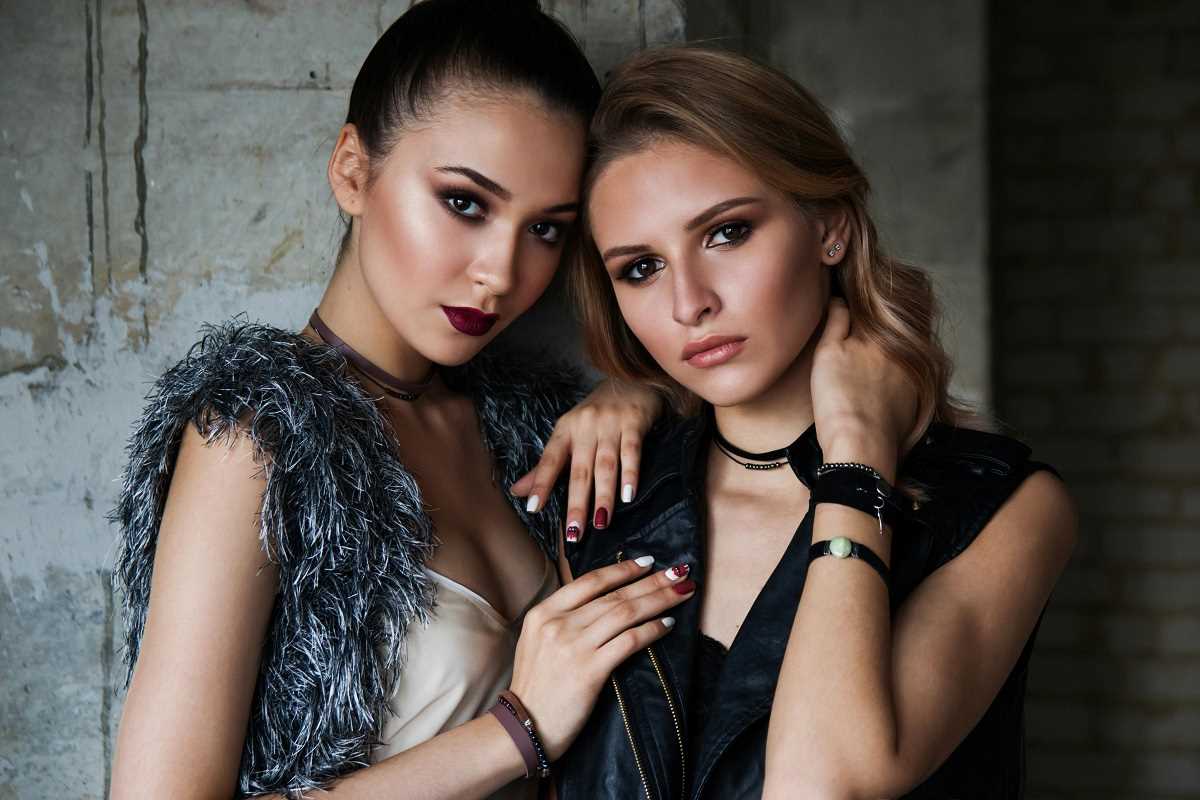
Two seemingly opposite styles have merged to create a dominant trend known as "Dark Coquette" or "Whimsigoth." The Coquette aesthetic, known for its hyper-feminine use of bows, lace, and pastel colors, has taken a darker turn. In 2025, these feminine elements are being mixed with gothic motifs like black velvet, dark red lips, and heavy eyeliner.
Bows remain the central symbol of this trend. You will find them adorning leather jackets, combat boots, and dark sheer tights. The contrast between the sweetness of the bow and the hardness of the gothic elements creates a compelling visual tension. It subverts traditional ideas of girlhood, adding a layer of mystery and rebellion.
Victorian and Rococo Influences
Historical references are heavily influencing this darker feminine style. Corsets remain a wardrobe staple, but they are now being worn over t-shirts or dresses for a casual daytime look. Lace detailing, high collars, and pearl accessories draw inspiration from the Victorian and Rococo eras.
Social media users are modernizing these historical elements by pairing them with modern streetwear. A lace corset might be worn with baggy jeans, or a pearl choker with a graphic hoodie. This mix of high history and low culture makes the trend accessible. It allows for a romantic, dramatic look that doesn't feel like a costume.
Sustainability as a Core Aesthetic
Sustainability is no longer just a value; it has become an aesthetic in itself. "Visible Mending" is a major trend where clothes are repaired in obvious, artistic ways. Patches, embroidery, and darning are used to fix holes or stains, turning imperfections into focal points. This signals to others that the wearer cares about the lifecycle of their garments.
Upcycling is a huge content category on social media. Creators show how to transform old blankets into hoodies or combine two shirts into one. This DIY ethos is influencing mainstream fashion, with brands releasing collections that mimic the look of reworked vintage items. Patchwork denim and mismatched fabrics are hallmarks of this style.
The Reject of Micro-Trends
A significant portion of the fashion community is actively pushing back against the rapid cycle of micro-trends. This movement, often called "slow fashion," encourages investing in high-quality basics and building a capsule wardrobe. The aesthetic here is timeless and simple, focusing on fit and fabric quality over flashy designs.
Influencers in this space focus on "styling" rather than "hauling." They show how to wear one shirt in five different ways. This approach resonates with consumers tired of constant consumption. It champions personal style over following the crowd. The look is understated, featuring neutral colors, natural fibers like linen and wool, and classic silhouettes that will not go out of style next season.